The Strategic Playbook for Purchasing App Installs and Accelerating Store Growth
App stores are crowded, competitive, and increasingly driven by early performance signals. Every day, thousands of new Android and iOS apps compete for attention in Google Play and the Apple App Store. The difference between an app that disappears into the void and one that gains steady traction often comes down to download velocity, keyword relevance, and social proof. For many developers and marketers, the decision to purchase app installs is no longer viewed as a shortcut. Instead, it is a calculated growth tactic designed to strengthen store rankings, improve search discoverability, and create the initial momentum needed to attract organic users.
Why Download Velocity Matters More Than Ever in App Stores
App store algorithms are built to reward apps that demonstrate consistent user interest. When an app receives a steady flow of downloads, it sends a strong signal to the store that the app is relevant, useful, and worth surfacing to more users. This concept is often referred to as download velocity. A sudden but sustained increase in installs can influence how an app ranks for its core keywords and how often it appears in category charts or recommended sections.
In practical terms, download velocity acts as a form of social proof. Users are naturally more likely to install an app that already has a growing user base, positive ratings, and visible traction. App stores also use algorithmic ranking factors that extend beyond metadata. Apple’s App Store and Google Play both evaluate user engagement signals, including downloads, retention, uninstalls, and search-to-install conversion rates. While an app with no downloads may struggle to gain visibility even with a great product, an app with consistent install volume can break into competitive keyword rankings and maintain a stronger presence.
Purchasing app installs is especially useful during specific growth phases. A newly launched app often lacks the historical data that stores use to determine relevance. Without early installs, an app may remain buried under competitors even if its features are superior. By purchasing installs in targeted countries or for specific search terms, developers can generate the initial traction that triggers broader organic discovery. This approach is widely used for app launches, feature updates, seasonal promotions, and expansion into new geographic markets.
It is also important to understand the difference between direct download campaigns and keyword-targeted install campaigns. Direct downloads focus on overall install volume and can quickly boost an app’s total download count. Keyword-targeted installs, on the other hand, focus on specific search terms. These campaigns drive users to install an app after searching for a particular keyword, which can help the app rank higher for that term over time. Both types of campaigns can play a role in a well-rounded app marketing strategy, especially when combined with review generation and store listing optimization.
How Keyword-Targeted Installs Strengthen Search Discoverability
Not all installs carry the same weight. An install that originates from a keyword search is a much stronger ranking signal than a random direct install. When users search for terms like “budget planner,” “fitness tracker,” or “photo editor,” the app store algorithm evaluates which apps are most relevant for that query. If an app consistently receives installs from that search term, the algorithm begins to associate the app with that keyword. Over time, this improves the app’s position in search results, leading to more organic installs without additional paid effort.
This is why keyword-targeted installs have become one of the most effective app promotion strategies. Instead of simply inflating total download numbers, keyword-targeted campaigns focus on measurable search terms that matter to the app’s core audience. For example, a language learning app might target phrases like “learn Spanish app” or “English speaking practice.” When users search for these terms and install the app, the store sees a direct relationship between the search query and the app’s relevance. With enough of these installs, the app can climb from page three to page one, where organic visibility increases dramatically.
Geographic targeting adds another layer of precision. App rankings are not global; they vary by country and sometimes by language. An app that ranks well for a term in the United States may not rank for the same term in Germany or Brazil. Developers who purchase app installs with country-level targeting can focus their budget on markets where they want to gain traction. This is especially useful for apps with localized content, region-specific pricing, or features tailored to certain countries. Running campaigns in multiple countries simultaneously can be effective, but it often requires separate keyword strategies for each market.
A well-executed keyword install campaign also works best when the app’s listing is optimized. The title, subtitle, description, and screenshots should align with the targeted keywords. If a fitness app is buying installs for the term “home workout planner,” its listing should clearly feature that phrase and visually demonstrate the app’s core value. When keyword-targeted installs lead users to a highly relevant store page, the conversion rate improves, user satisfaction increases, and the ranking gains become more sustainable.
Additionally, combining keyword-targeted installs with steady ratings and reviews can amplify results. Users trust apps that display a healthy rating and authentic feedback. When new users arrive from search and see a strong rating, they are more likely to install the app. This improves the search-to-install conversion rate, which is another metric app stores use to determine keyword relevance. In this way, installs, reviews, and listing quality work together as a complete app search optimization strategy.
Best Practices for Running Safe and Effective Paid Install Campaigns
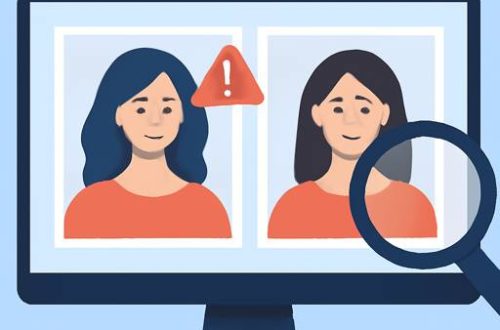
Purchasing app installs can be highly effective, but it needs to be approached with planning. Not all install sources are equal, and app stores continue to improve their fraud detection systems. A campaign that sends thousands of low-quality or bot-driven installs in a short period can harm an app’s ranking, trigger warnings, or even lead to removal from the store. The goal should be to generate installs that look natural, come from real devices, and align with the app’s target audience.
One of the most important factors is gradual delivery. A slow and steady increase in downloads looks far more natural to store algorithms than a massive one-day spike. Reputable platforms that offer country-specific targeting, keyword-based campaigns, and self-service controls allow developers to pace their campaigns over several days or weeks. This helps maintain a realistic download curve and reduces the risk of algorithmic penalties.
Choosing the right campaign type is equally important. Developers who want to improve overall download volume may choose direct download campaigns. Those who want to rank for specific terms should prioritize keyword-targeted installs. In many cases, a hybrid approach works best. An app might use direct installs to build general social proof while simultaneously running keyword campaigns for its highest-priority search terms. This balanced strategy supports both category rankings and search visibility.
Monitoring campaign performance is essential. Developers should track keyword rankings before, during, and after each campaign. If an app is moving up for its target terms and maintaining that position once the campaign slows down, the installs are likely contributing to organic growth. If rankings drop immediately after the campaign ends, the app may need stronger user engagement, better retention, or improved ratings to maintain its position.
Retention and user satisfaction cannot be ignored. Paid installs bring users into the app, but the product itself determines whether they stay. High uninstall rates send negative signals to app store algorithms. Developers should audit their onboarding flow, app performance, and overall user experience before scaling any paid install campaign. A well-designed app with strong retention will convert paid installs into long-term users, which only reinforces positive store signals.
Finally, the most effective campaigns are part of a broader app marketing plan. Developers who combine purchased installs with localized store listings, A/B testing for creatives, social media promotion, and ongoing keyword research will see better and more sustainable results. Self-service platforms make it easier to launch targeted campaigns for Android and iOS, select specific countries, and track daily delivery. By focusing on relevance, pacing, and store listing quality, app marketers can use purchased installs not as a vanity metric, but as a real growth engine for long-term visibility.

Delhi sociology Ph.D. residing in Dublin, where she deciphers Web3 governance, Celtic folklore, and non-violent communication techniques. Shilpa gardens heirloom tomatoes on her balcony and practices harp scales to unwind after deadline sprints.

Shilpa Rao
Delhi sociology Ph.D. residing in Dublin, where she deciphers Web3 governance, Celtic folklore, and non-violent communication techniques. Shilpa gardens heirloom tomatoes on her balcony and practices harp scales to unwind after deadline sprints.