Stop the Forgeries: Advanced Strategies for Document Fraud Detection
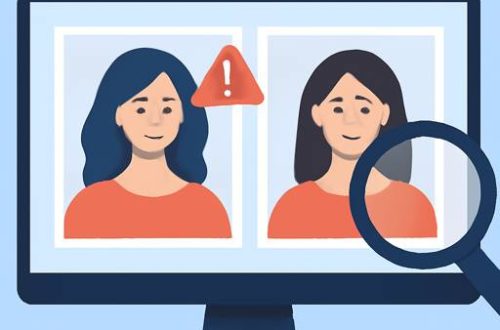
Document fraud detection has become a strategic priority for organizations that rely on identity documents, contracts, or certificates. As fraudsters use increasingly sophisticated tools to create convincing counterfeits, defenders must blend technology, processes, and human expertise to stay ahead. The following sections explore how modern systems detect tampering, best practices for implementation and compliance, and real-world examples that illustrate measurable impact.
How Modern Document Fraud Detection Works
At the core of effective document fraud detection is a layered approach that combines image analysis, data verification, and behavioral signals. Optical character recognition (OCR) converts document text into machine-readable data, enabling automated cross-checks against databases and validation of formats such as passport MRZ or driver’s license barcodes. Image forensics then examines visual cues: texture inconsistencies, edge artifacts, color separations, and microscopic printing features that differ between genuine documents and high-resolution forgeries.
Machine learning models trained on large datasets of genuine and fraudulent documents identify subtle anomalies that human eyes might miss. These models use convolutional neural networks to detect irregularities in fonts, spacing, hologram reflections, and lamination patterns. Metadata analysis—such as creation timestamps, file compression history, and device fingerprints—offers additional signals when handling digital images. Document provenance checks can flag suspicious editing software signatures or inconsistent camera models.
Emerging capabilities include multimodal verification, where document inspection is combined with biometric matching (face or fingerprint) and behavioral analysis. Liveness detection and challenge-response video capture help ensure the document holder is present. For organizations that need a turnkey solution, integrating a reliable engine for document fraud detection into onboarding workflows reduces manual review while surfacing high-risk cases for expert intervention. Strong attention to data quality, continual model retraining, and adversarial testing ensures detection systems evolve alongside fraud techniques.
Implementation Best Practices and Compliance Challenges
Deploying document fraud detection requires balancing automation with manual oversight and ensuring regulatory compliance. Start by defining risk thresholds tailored to the business context: a high-value financial transaction demands stricter verification than low-risk account access. Implement tiered review workflows where automated checks clear low-risk applicants and route flagged cases to trained reviewers who can perform deeper forensic analysis. Clear escalation policies and audit trails are essential for accountability.
Privacy and data protection are central concerns. Systems must minimize data retention, encrypt sensitive information at rest and in transit, and provide mechanisms for data subject access and deletion in line with laws such as GDPR or CCPA. Explainability is another challenge—regulators and internal stakeholders may require interpretable reasons for why a document was rejected. Designing systems that produce human-readable rationales for decisions reduces disputes and supports compliance.
Operational readiness involves continuous monitoring and calibration. False positives erode customer experience, while false negatives expose organizations to fraud losses. Regularly review performance metrics, conduct A/B testing for threshold adjustments, and maintain a feedback loop where manual review outcomes retrain detection models. Cross-functional governance—bringing together compliance, security, legal, and product teams—ensures detection rules align with business needs and legal constraints. Finally, thorough vendor due diligence and penetration testing help validate that third-party tools meet security and reliability expectations.
Case Studies and Real-World Applications
Banks and fintech companies are among the early adopters of advanced document screening. One multinational bank reduced account-opening fraud by over 70% after integrating image-forensics, OCR cross-checks, and biometric matching into its onboarding pipeline. Automated pre-screening cleared 80% of applicants instantly, while a specialized review team handled the remainder with forensic tools, resulting in faster processing and lower operational costs.
Border control and immigration agencies use multilayered detection for passports and visas. Systems that combine UV and infrared scanning with database interrogation flag altered machine-readable zones or cloned passports. In one airport deployment, the addition of multimodal checks decreased false travel documents passing through by a significant margin, improving national security outcomes without causing passenger delays.
Corporate hiring and remote identity verification also benefit. Employers conducting background checks that incorporate forensic document analysis avoid hiring risks tied to falsified diplomas or certifications. Healthcare providers and insurance companies similarly apply document screening when validating claims or patient identities to reduce fraud-related expenditures. Across sectors, success tends to follow common themes: rigorous data pipelines, investment in training for human reviewers, and continuous adaptation of detection models to new fraud patterns. These real-world applications demonstrate that combining technology with disciplined processes produces tangible reductions in fraud while preserving user experience for legitimate customers.

Delhi sociology Ph.D. residing in Dublin, where she deciphers Web3 governance, Celtic folklore, and non-violent communication techniques. Shilpa gardens heirloom tomatoes on her balcony and practices harp scales to unwind after deadline sprints.

Shilpa Rao
Delhi sociology Ph.D. residing in Dublin, where she deciphers Web3 governance, Celtic folklore, and non-violent communication techniques. Shilpa gardens heirloom tomatoes on her balcony and practices harp scales to unwind after deadline sprints.